In hospitality, heating and hot water problems never happen at a quiet moment. It's the boiler that trips on a Saturday night in December, the hot water that runs out with a full hotel on a wedding weekend, or the function room that won't warm up for a 7pm event. Guests notice, reviews follow, and the cost to your business is far bigger than the repair.
If you run a hotel, pub, bar, restaurant, golf club or social club in Glasgow, Lanarkshire or anywhere in Central Scotland, this guide covers your legal duties, the problems we see across the sector, and how to plan maintenance so your heating and hot water keep up on your busiest days.
The short answer
- Gas appliances, flues and pipework at work must be kept safe. An annual service and gas safety inspection with written records is the accepted way to show it.
- Guest bedrooms and staff accommodation count as residential accommodation, so the annual landlord-style gas safety check applies to them too.
- Commercial kitchens need an engineer qualified for catering equipment, and where there's mechanical extraction, a gas interlock should shut the gas off if the extraction fails.
- Hot water systems need managing for legionella, especially in hotels with rooms that sit empty.
- Plan servicing before your busy season, and big jobs for your quiet months, so the work never costs you trade.
Your legal duties
Gas safety at work. Under regulation 35 of the Gas Safety (Installation and Use) Regulations 1998, employers and the self-employed must make sure gas appliances, flues, pipework and safety devices are maintained in a safe condition.
Guest rooms and staff accommodation. HSE's guidance for the catering and hospitality sector says landlords of residential accommodation, including hotels, guest houses and staff accommodation, must have gas appliances checked every 12 months and keep records. If you have rooms with gas appliances, or staff living on site, that applies to you.
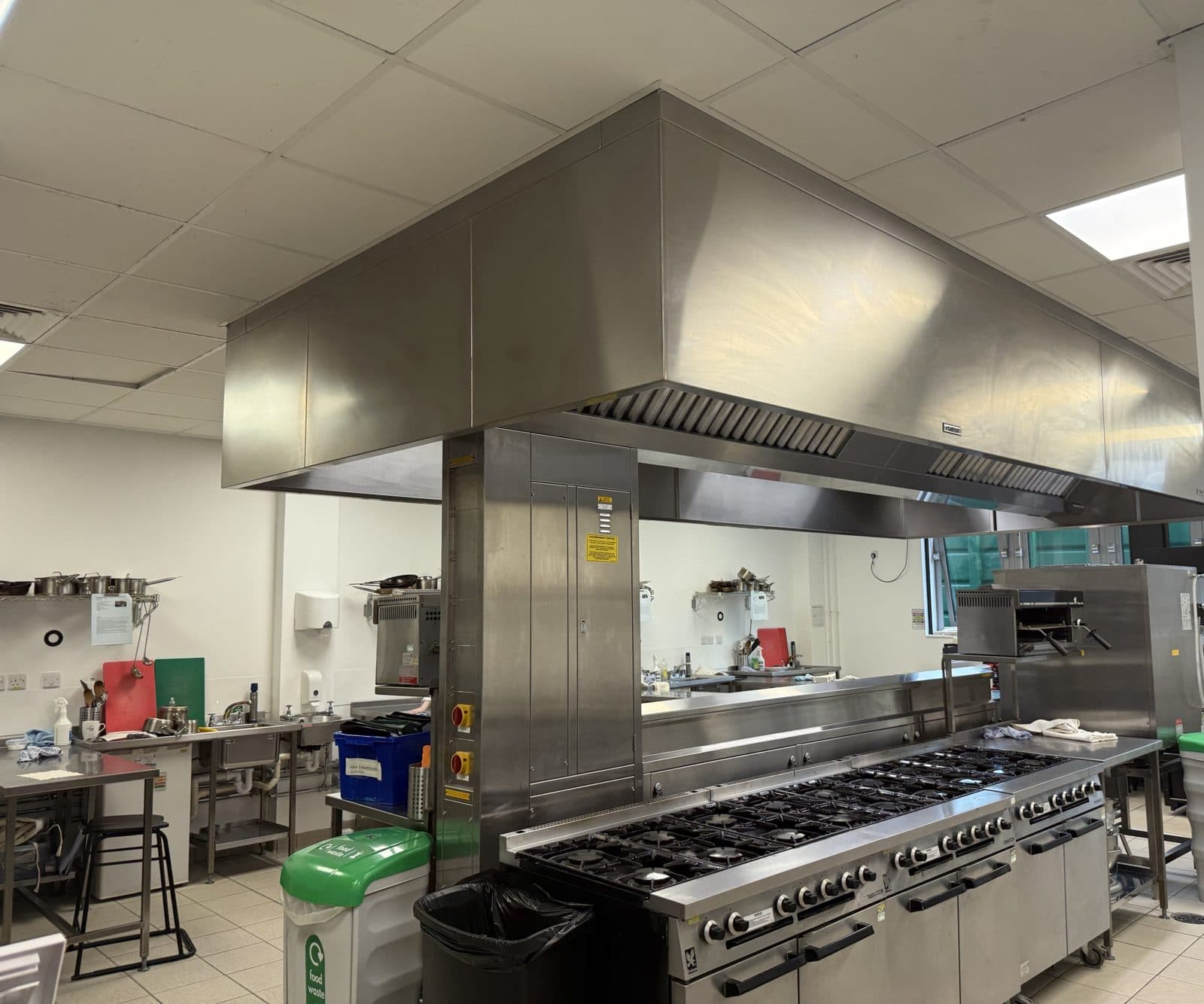
Kitchens. Most hospitality businesses have a commercial kitchen, and it's often the biggest gas load on the site. Our guide to commercial kitchen gas safety certificates covers interlocks, ventilation, flame supervision and what inspectors look for.
Legionella. Hot and cold water systems must be managed to control the risk of legionella. That means a risk assessment, keeping stored hot water at 60°C or above, distributing it so it reaches at least 50°C at outlets within a minute, and regularly flushing outlets that aren't used often.
Hotels
Hotels put heating and hot water plant under more pressure than almost any other building.
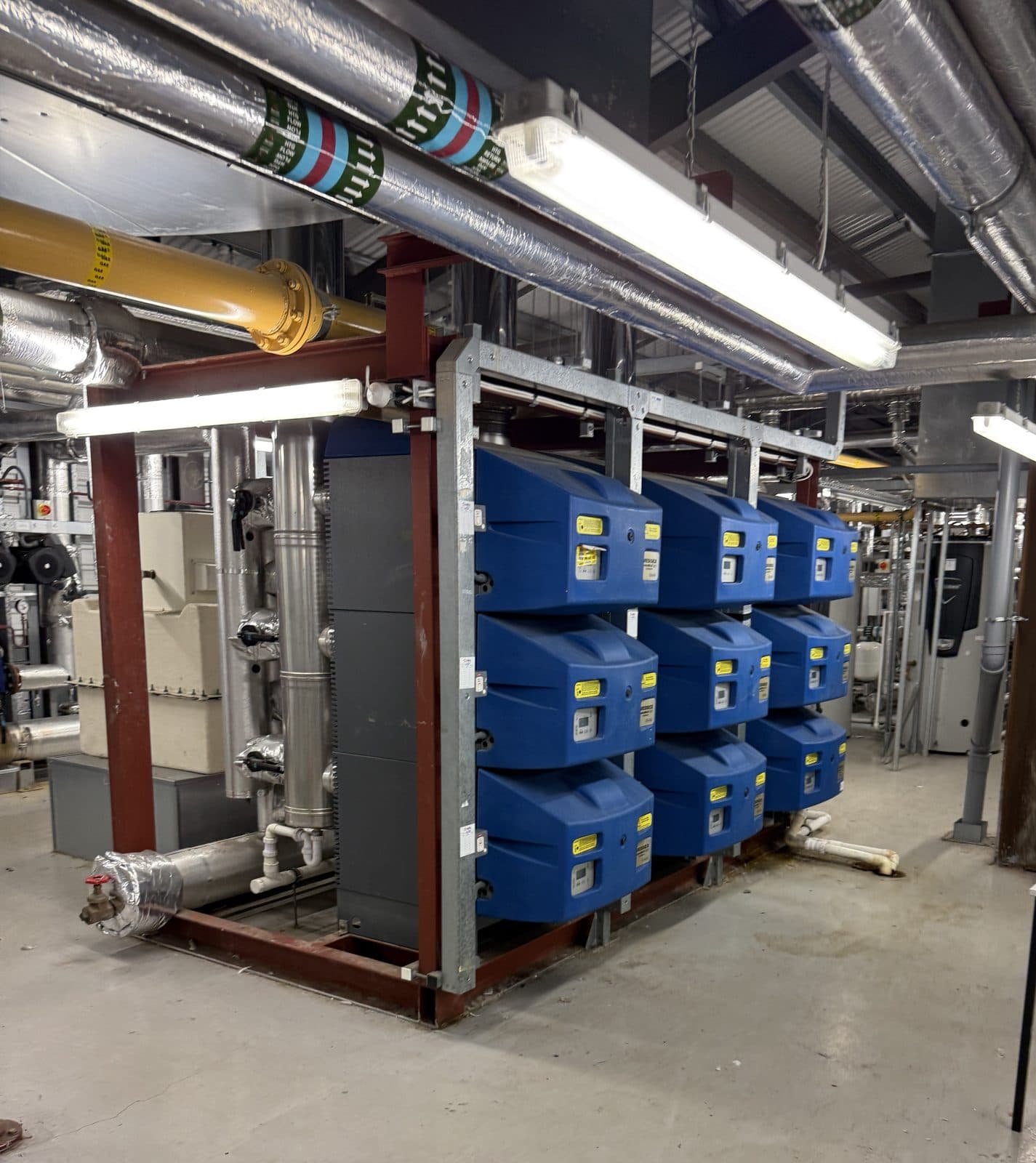
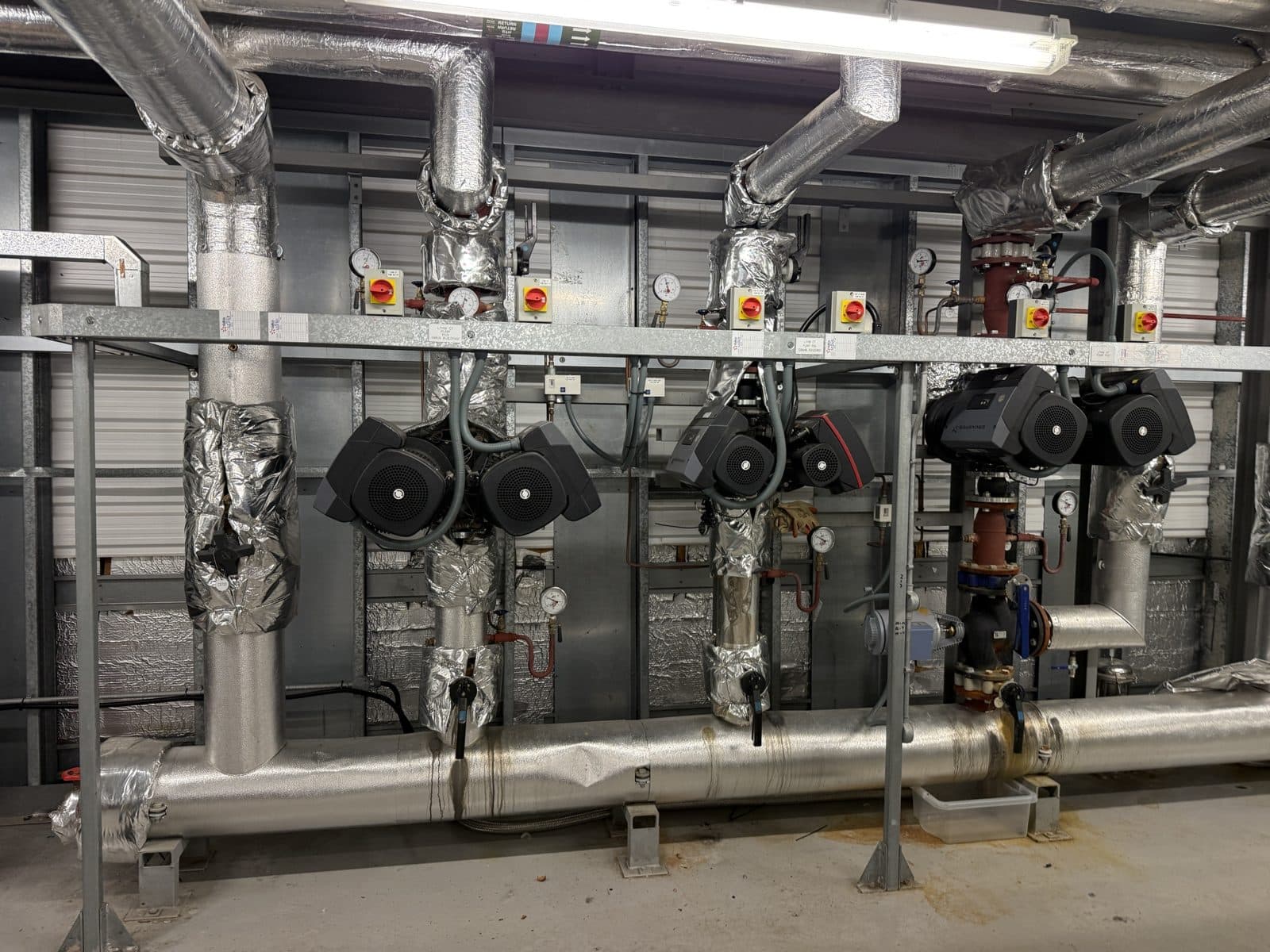
- Peak hot water demand. Every guest wants a shower between 7am and 9am. If the hot water plant or storage is undersized, or the boilers aren't firing properly, the last guests to get up get a cold shower and you get a bad review. Calorifiers, plate heat exchangers and hot water storage all need to recover quickly.
- Empty rooms and legionella. Rooms that sit empty, especially in the off-season or when a wing is closed, let water stagnate in pipes and shower heads. HSE guidance is to flush little-used outlets at least weekly and keep records.
- Bedroom comfort. Guests expect to control the temperature in their room. Radiators that won't heat up, noisy pipes and thermostats that don't work are among the most common hotel complaints.
- Accessible rooms. Where vulnerable guests could be scalded at a bath or shower, thermostatic mixing valves limit the outlet temperature. They need regular checking and servicing.
- Seasonal closures. If you close for part of the year, plan for frost protection, flushing and a proper restart, including checking the hot water system before guests arrive.
- Rural hotels. Many hotels around Loch Lomond, the Trossachs, Perthshire and Dumfries and Galloway are off the gas grid and run on oil or LPG. Oil-fired plant needs an OFTEC registered engineer and regular servicing. Our commercial oil boiler guide explains why.
Pubs and bars
- Old buildings, awkward plant. Many of Glasgow's best pubs and bars are in old tenements and listed buildings in the city centre, Merchant City and West End, with boilers tucked into basements, cellars and roof spaces. Access and flue routes need checking carefully.
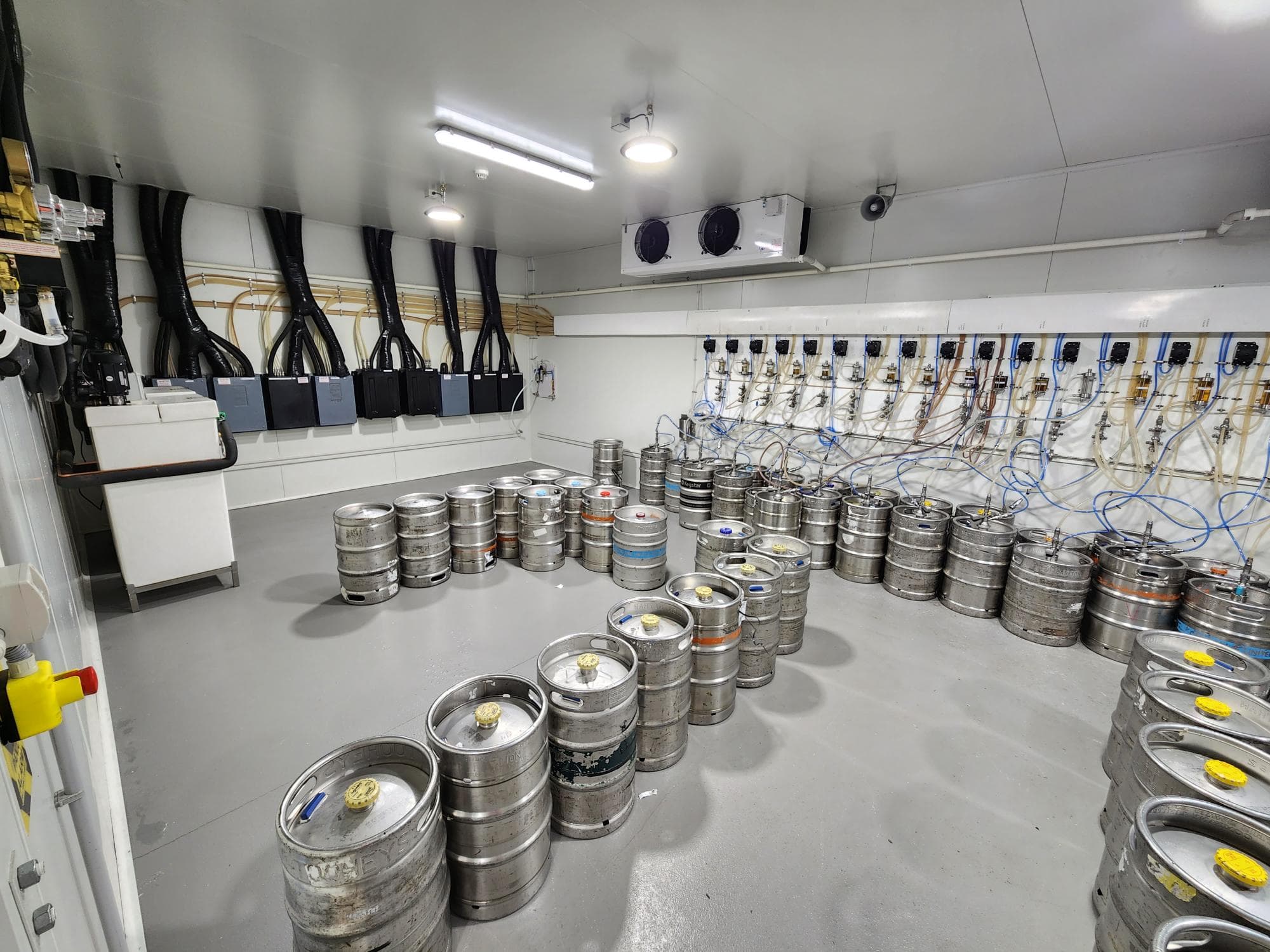
- Cellars. If your boiler or water heater is in the cellar, it needs proper ventilation. Cellars that use CO2 or mixed gas for drinks dispense also carry a risk from gas leaks. Gas suppliers recommend CO2 detection, good ventilation and staff training on handling cylinders. Keep the two risks in mind together, and make sure nothing blocks the air the boiler needs.
- Function rooms. Rooms that are only used a few times a week often have separate heating, sometimes warm air heaters. Make sure they're on the maintenance schedule and tested before a booking, not on the night.
- Beer gardens and patio heaters. LPG patio heaters and their cylinders need safe storage, regular checks and staff who know how to change cylinders safely.
Golf clubs and sports and social clubs
- Changing rooms and showers. Hot water demand comes in bursts, such as after a competition or a Saturday morning fixture, and the system needs to cope. Showers that are used heavily in summer and barely at all in winter are a legionella risk, so flushing needs to continue through quiet periods.
- Clubhouses on oil. Many clubhouses on the edge of Glasgow and in rural areas run on oil, often with older boilers that work hard all winter.
- Bars and kitchens. The same gas safety and kitchen rules apply as for any pub or restaurant.
- Volunteer committees. In member-run clubs, maintenance can slip when committee members change. A maintenance contract with one renewal date and digital records keeps it on track.
Timing your maintenance around trade
The best time to service your heating isn't when it breaks. For most hospitality businesses in Scotland:
- Service in late summer or early autumn, before the heating season and the run-up to Christmas parties and the festive period.
- Plan major work for January and February, when most of the sector is at its quietest.
- Book around your diary. Weddings, events and big match days are the worst time for a planned shutdown.
- Work early or late. We can work early in the morning or outside trading hours, so you don't have to close.
Common problems we fix in hospitality
- Boilers locking out during peak demand.
- Hot water running out or not recovering fast enough.
- Rooms and function suites that never get properly warm.
- Kitchen interlocks that are faulty or bypassed.
- Frozen condensate pipes in cold snaps.
- Older plant that other contractors have written off.
A quick checklist
- Gas safety records for every appliance, including the kitchen, plant room and any guest rooms or staff accommodation?
- Boilers and water heaters serviced within the last 12 months?
- Kitchen interlock tested and working, with no bypasses?
- Legionella risk assessment in place, with a flushing record for little-used outlets?
- Ventilation clear in the plant room and cellar?
- Oil tanks bunded, checked and monitored, if you're on oil?
- A contractor you can reach out of hours during your busy season?
How Titan Heat can help
We're a Gas Safe and OFTEC registered heating and plumbing business based in Blantyre, working with commercial customers across Glasgow, Lanarkshire and Central Scotland.
For hotels, bars and clubs, we:
- service and safety check boilers, water heaters and other gas and oil appliances, with written records
- carry out gas safety checks for guest rooms and staff accommodation
- find and fix faults on heating and hot water systems, including older plant
- winter-proof plant and protect condensate pipes before the cold weather
- set up planned maintenance contracts around your trading calendar
Use our commercial enquiry form to tell us about your venue, your plant and your busy times, and we'll arrange a visit and give you a clear quote.
Frequently asked questions
Does a hotel need a landlord gas safety certificate?
HSE's guidance is that residential accommodation in hotels and guest houses, and staff accommodation, must have gas appliances checked every 12 months, with records kept. The rest of the building falls under your general duty to keep gas equipment at work safe.
How often should a pub or hotel boiler be serviced?
At least once a year, or as often as the manufacturer recommends. Plant that works hard, such as hot water plant in a busy hotel, often benefits from more frequent visits.
Our hot water runs out every morning. Do we need bigger plant?
Not necessarily. Poorly maintained boilers, scaled or blocked heat exchangers, failed pumps and badly set controls all reduce hot water output. Get the existing system checked and set up properly before spending money on new plant.
Can you work outside our opening hours?
Yes. We can plan visits early in the morning or outside trading hours so the work doesn't cost you trade.
Do you cover my area?
We work with hospitality businesses across Glasgow, Lanarkshire and Central Scotland, including rural hotels and clubs on oil.