Whether you're taking out an old gas fire, refitting a kitchen, switching to electric heating, clearing a commercial unit or preparing a building for demolition, any gas appliance or pipework that's no longer needed has to be made safe properly. That means capping off, and sometimes full decommissioning.
This guide explains what capping off actually involves, the three levels of disconnection, who is allowed to do each part, and how the process differs between a home and a commercial site.
What does "capping off" mean?
Capping off means disconnecting a gas appliance or section of pipework and sealing every open end so gas can't escape.
It's a legal requirement, not just good practice. The Gas Safety (Installation and Use) Regulations 1998 require anyone who disconnects a gas fitting to seal off every outlet of every pipe it was connected to, using the appropriate fitting (regulation 6(3)).
In practice, the appropriate fitting is a proper gas-rated cap, plug or blank that's compatible with the pipe it's fitted to. These are not acceptable and are among the most common faults we find:
- tape wrapped over a pipe end
- a crimped or flattened pipe
- a cap or plug that isn't designed for gas
- an isolation valve simply turned off with nothing beyond it
After capping, the installation must be tightness tested to prove it's sound. Any remaining appliances are then relit and checked.
Only a Gas Safe registered engineer can legally carry out this work on your gas installation. Other trades, such as kitchen fitters, plumbers without gas registration and electricians, shouldn't be disconnecting gas.
When do you need gas capped off?
In homes:
- removing a gas fire or back boiler
- replacing a gas hob with an induction hob
- kitchen or bathroom refits where pipework needs moving or removing
- switching to a heat pump or electric heating
- an appliance condemned as unsafe that you don't plan to replace
- selling, renovating or converting a property
In commercial premises:
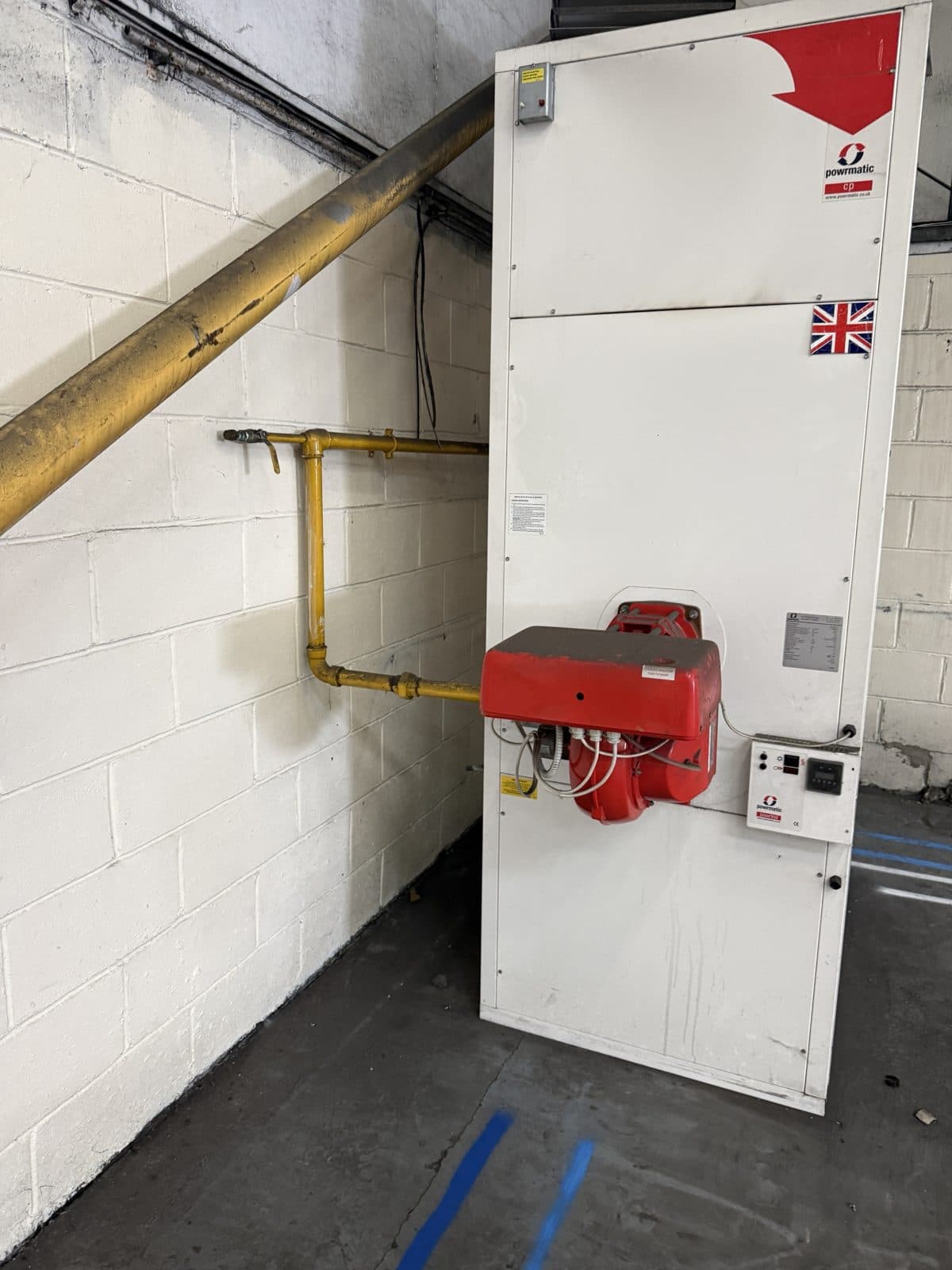
- removing warm air heaters, radiant tube heaters or old boilers
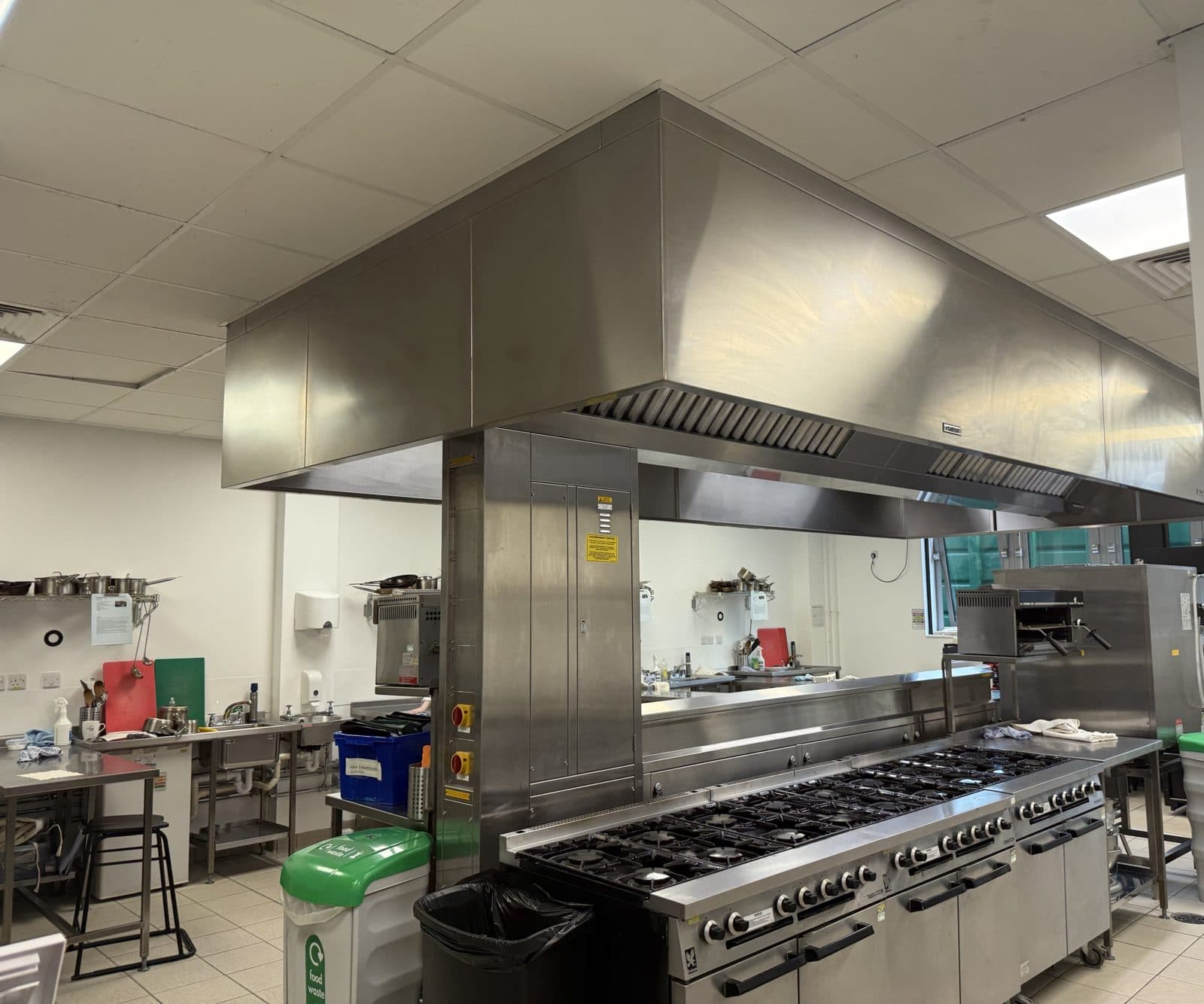
- commercial kitchen refits and equipment changes
- tenant strip-outs at the end of a lease
- plant room upgrades where redundant pipework is left behind
- preparing a building for refurbishment or demolition
The three levels of disconnection
1. Capping off a single appliance
The appliance is isolated, disconnected and removed, and the pipe that fed it is capped at the nearest sensible point. The rest of the gas installation stays live. This is the most common job, for example removing a gas fire or a cooker.
2. Removing redundant pipework
Capping at the appliance point can leave a long dead leg of pipework running through the building with nothing on the end. Where it's practical, it's better to cut the pipework back to the point where it branches off and cap it there. That means less redundant pipe, fewer joints to leak in future, and a cleaner installation for the next engineer.
3. Taking the whole property off gas
If you're stopping using gas completely, there are two separate stages, and they're carried out by different organisations:
- Meter removal. Your gas supplier arranges for the meter to be removed and the supply capped at the emergency control valve. This also stops your standing charge.
- Permanent disconnection at the main. If you need the service pipe cut off, for demolition or major groundworks for example, you apply to the gas network. In most of Scotland that's SGN. The meter must be removed before the network will disconnect, and a permanent disconnection is exactly that: reconnecting later is treated as a brand new supply.
Before either stage, any appliances still in the building should be safely disconnected and capped by a Gas Safe registered engineer. We can do this part and leave you with a written record, so the supplier and network stages can go ahead without any surprises.
How we cap off gas safely: the process
- Survey. We check what's being removed, where the pipework runs, and whether anything else on the same pipe needs to stay live.
- Isolate. We turn off the supply at the right point and make sure it's safe to break into the pipework.
- Disconnect. We remove the appliance or cut back the pipework.
- Seal. We fit the appropriate gas-rated cap, plug or blank to every open end.
- Test. We tightness test the installation to prove there are no leaks, and purge if required.
- Restore. We relight and check any remaining appliances.
- Record. You get a written record of what was disconnected, where it was capped, and the test results.
Commercial decommissioning: what's different
Commercial sites need more planning, more testing and more paperwork.
- Bigger pipework and different standards. Small low-pressure commercial installations (up to 1 m³ volume and 150 mm pipework) are tested and purged to IGEM/UP/1A. Larger or higher-pressure systems fall under IGEM/UP/1.
- Purging. When large sections of pipework are taken out of service, or new sections added, the pipework may need to be purged so it doesn't contain a dangerous mix of gas and air.
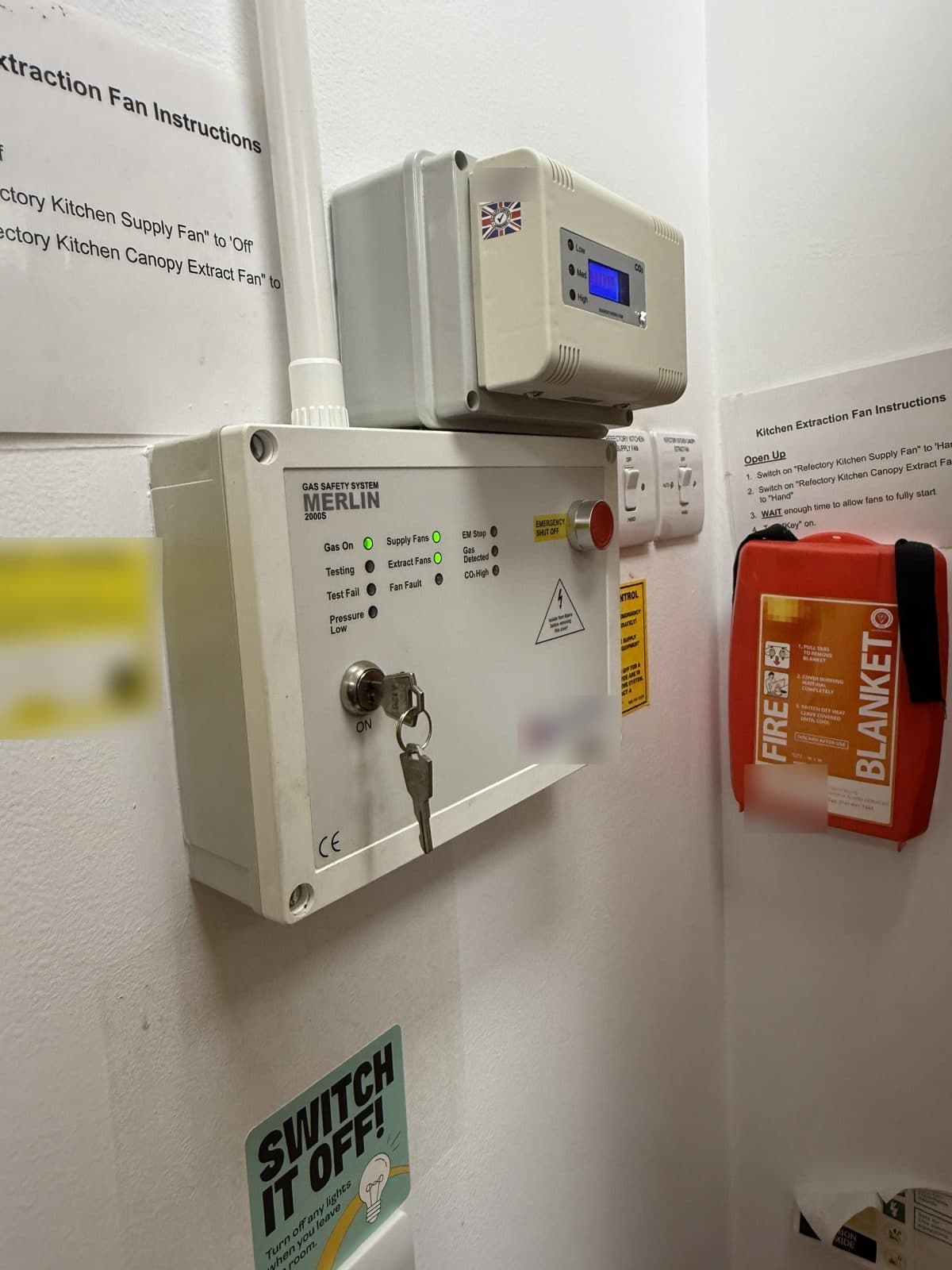
- Interlocks and controls. Commercial kitchens and plant rooms often have gas interlocks, solenoid valves and ventilation controls that have to be considered when equipment is removed.
- Phased work. On a working site we can split the job so parts of the building stay operational. For a distribution warehouse in Lanarkshire, we split the work into two stages: capping off an old warm air heater first, then running a new gas supply to new equipment around six weeks later.
- Documentation. Principal contractors, landlords and insurers usually want written confirmation of what's been isolated and capped, and the test results. We provide that as standard.
Common mistakes we're called out to fix
- Pipework capped by a kitchen fitter or builder, not a gas engineer.
- Gas fire pipes left open behind a boarded-up fireplace.
- Redundant pipe "capped" with tape or a non-gas fitting.
- A cooker removed with only the bayonet left, which then gets knocked or damaged.
- Commercial heaters removed during a strip-out with live pipework left in the ceiling void.
Faults like these often only come to light later, for example when a smart meter installer's tightness test fails, or a landlord gas safety check picks them up.
Getting a quote
Every cap-off is different. It depends on what's being removed, where the pipework runs and whether the rest of the installation stays live, so we quote each job before we start.
Homes: Get in touch and tell us what you're removing, such as a gas fire, cooker or old boiler, and we'll quote the job.
Businesses: Use our commercial enquiry form and tell us about the site and how it needs to keep running. We'll arrange a survey where needed and give you a clear quote.
Frequently asked questions
Can my kitchen fitter cap off the gas?
Only if they're Gas Safe registered for that work. Anyone who disconnects a gas fitting must seal it with the appropriate fitting, and work on gas fittings has to be done by a registered business.
Can I just turn the valve off and leave it?
No. An isolation valve isn't a permanent seal. A disconnected pipe has to be sealed with an appropriate fitting.
Do I need to tell my supplier if I'm only removing one appliance?
No. You only involve your supplier if you're removing the meter and stopping gas to the whole property.
How long does a permanent disconnection take?
Meter removal is booked through your supplier, and a permanent disconnection through the gas network. Both have their own lead times, so if you're working to a demolition or build programme, start early. We can cap off the appliances first so you're ready.
Will I get a certificate?
You'll get a written record of the work, including where the installation was capped and the tightness test result.
Do you cover my area?
For homes, we cover Glasgow, Lanarkshire, Renfrewshire, East Renfrewshire and East and West Dunbartonshire. For commercial decommissioning, we work across Central Scotland.