In most buildings, a boiler breakdown is an inconvenience. In a care home it's a different story. Residents feel the cold more, many can't move about to keep warm, and hot water is needed all day for personal care, the kitchen and the laundry.
If you manage a care home in Glasgow, Lanarkshire, Renfrewshire or anywhere in Central Scotland, this guide covers what you need to know about your heating and hot water: the standards you're measured against, the safety rules that apply to vulnerable residents, the problems we see in Scottish care homes, and how to plan so a failure never turns into a crisis.
The short answer
- Residents have a right to a warm, comfortable, safe home. The Health and Social Care Standards say heating should be adjustable to meet each person's needs, and the Care Inspectorate checks it.
- Hot water at baths and showers must not exceed 44°C where residents could be scalded. Thermostatic mixing valves (TMVs) do this job, and they need regular checking and servicing.
- Radiators and pipes that residents could touch should not run hotter than 43°C, so they need low surface temperature radiators or proper covers.
- Your gas appliances must be kept safe, which means annual servicing and safety checks with written records.
- Plan for failure: back-up plant, a contractor who'll answer the phone in a cold snap, and a written plan for keeping residents warm if the heating goes off.
Why heating matters more in a care home
Older residents, and people living with dementia or reduced mobility, lose heat faster and are less able to tell staff when they're cold. A building that feels fine to a busy carer can be too cold for someone sitting in a chair for most of the day.
The Health and Social Care Standards, which the Care Inspectorate uses when it inspects, make this personal. They say a person should be able to adjust the lighting, ventilation and heating to meet their needs and wishes, and in a care home, control the heating in their own bedroom. They also expect premises to be well maintained.
When heating fails, the consequences can be serious. In 2024, the Care Inspectorate issued an improvement notice to a care home in Fife after inspectors found most areas were at an unacceptable temperature, with residents wearing layers and outdoor jackets indoors. The home was told to make the building safe, warm and comfortable, or face proposals to cancel its registration.
The Scottish care home building
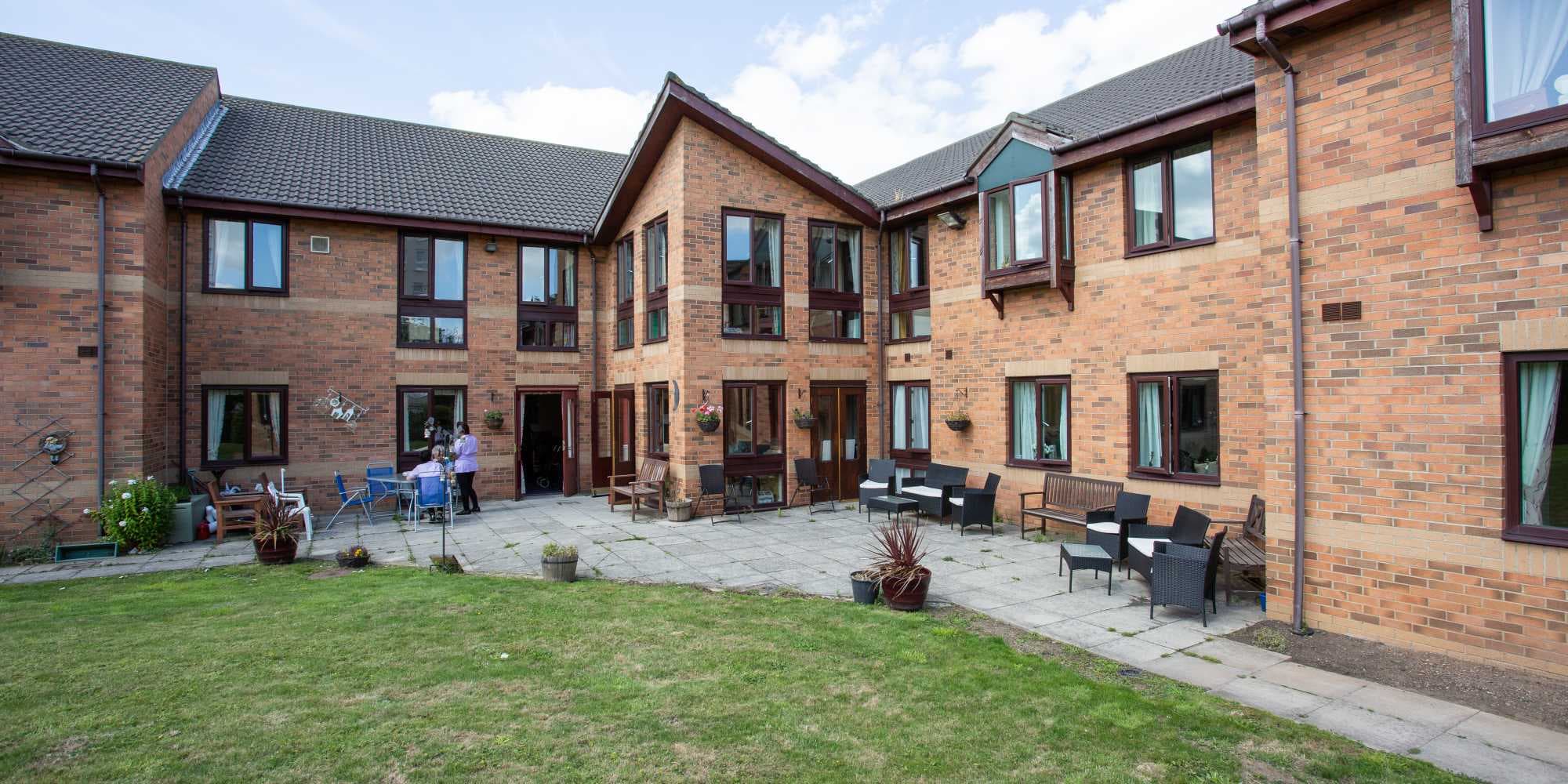
A lot of care homes across Glasgow, Lanarkshire and Renfrewshire started life as large Victorian or Edwardian houses and were extended over the years. That's part of their character, but it creates some common heating challenges:
- Mixed systems. Original cast iron radiators in the old house, newer radiators in the extension, and sometimes two or three boilers of different ages feeding different parts of the building.
- Long pipe runs and dead legs. Pipework that's been altered and extended many times, with sections that no longer serve anything. Dead legs are a legionella risk as well as wasted heat.
- Hard-to-balance heating. Rooms at the far end of an extension that never quite get warm, while rooms near the plant room overheat.
- Thick stone walls and big windows. Lovely buildings, but they need a heating system that's sized and set up properly.
Newer purpose-built homes have their own issues, usually around complex controls, plate heat exchangers and hot water systems that need careful setting up to balance legionella control and scald protection.
Scottish winters and what they do to heating systems
Scotland's heating season is long. Most care homes have the heating on from early autumn to late spring, and often well beyond, because residents need it. Plant works harder and for longer than in many other buildings.
Cold snaps bring their own problems:
- Frozen condensate pipes. Condensing boilers drain water through a plastic pipe, and if it runs outside and isn't protected, it can freeze in a cold spell and lock the boiler out. It's one of the most common winter call-outs, and it's usually avoidable.
- Plant working flat out. Undersized or poorly maintained boilers that cope in October can fall behind in January.
- Rural homes on oil. Care homes off the gas grid in South Lanarkshire, Stirlingshire, Perthshire and further afield often run on oil. Running out of oil during a cold snap, when deliveries are delayed, is avoidable with tank level monitoring and sensible ordering.
There's one bit of good news. Most drinking water in Scotland is soft, so limescale is much less of a problem in calorifiers, water heaters and TMVs than in many parts of England. That doesn't mean they can be ignored: strainers still block, valves still wear, and heating system water still needs treating.
Hot water: preventing scalds and controlling legionella
Hot water in a care home has to do two jobs that pull in opposite directions. It has to be hot enough in storage to control legionella, and safe enough at the tap that a resident can't be scalded.
Legionella control. HSE guidance is that hot water should be stored at 60°C or above and distributed so it reaches at least 50°C at outlets within one minute, or 55°C in healthcare premises. Little-used outlets, such as taps and showers in empty rooms, need regular flushing.
Scald protection. HSE says that where vulnerable people could be scalded during bathing or showering, the water temperature must not exceed 44°C. TMVs blend hot and cold water to hold the outlet temperature at a safe level, and HSE says outlet temperatures and TMVs should be monitored and maintained.
In practice, that means:
- TMVs fitted on baths and showers residents use, and wherever a resident's risk assessment says one is needed.
- Regular temperature checks at outlets, with the results recorded.
- TMVs serviced and fail-safe tested, with strainers cleaned and parts replaced as needed.
- Your heating engineer and whoever manages your water safety working from the same information.
Hot surfaces: radiators and pipework
HSE guidance is that where vulnerable people could be burned, accessible surfaces such as radiators and pipes should not exceed 43°C when the system is running at full output. HSE notes that serious injuries and fatalities have been caused by contact with hot pipes and radiators.
The usual solutions are low surface temperature (LST) radiators, or well-fitted radiator covers with exposed pipework boxed in or insulated. Covers need to be checked too: a loose or damaged cover is a hazard, and some covers block so much heat that the room never gets warm.
Gas safety in a care home
Under the Gas Safety (Installation and Use) Regulations 1998, you must make sure gas appliances, flues, pipework and safety devices are maintained in a safe condition. In a care home, that usually includes:
- Boiler plant and water heaters. Annual service and safety inspection as a minimum, with combustion readings recorded.
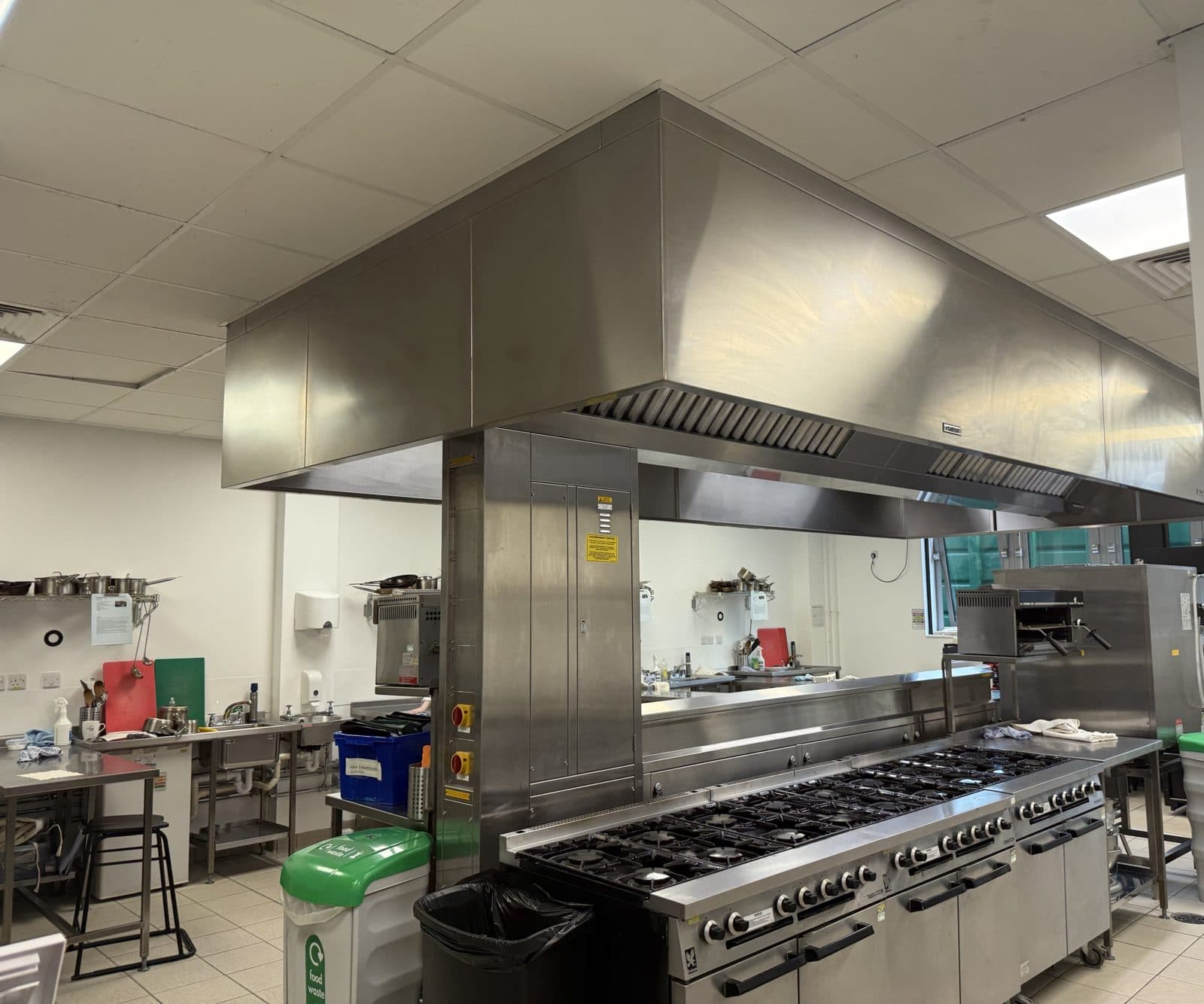
- The kitchen. Commercial catering equipment needs an engineer with catering qualifications, and where the kitchen has mechanical extraction, a gas interlock should shut off the gas if the extraction fails.
- The laundry. Gas tumble dryers need an engineer qualified for laundry equipment. Lint build-up and poor ventilation are common problems.
- Carbon monoxide detection. Commercial-grade detection in plant rooms and near gas appliances is good practice.
- Records. A written record for each appliance, kept where you can find it when the Care Inspectorate, your insurer or your fire risk assessor asks.
Planning for the day something fails
Every boiler fails eventually. The care homes that cope well are the ones that planned for it:
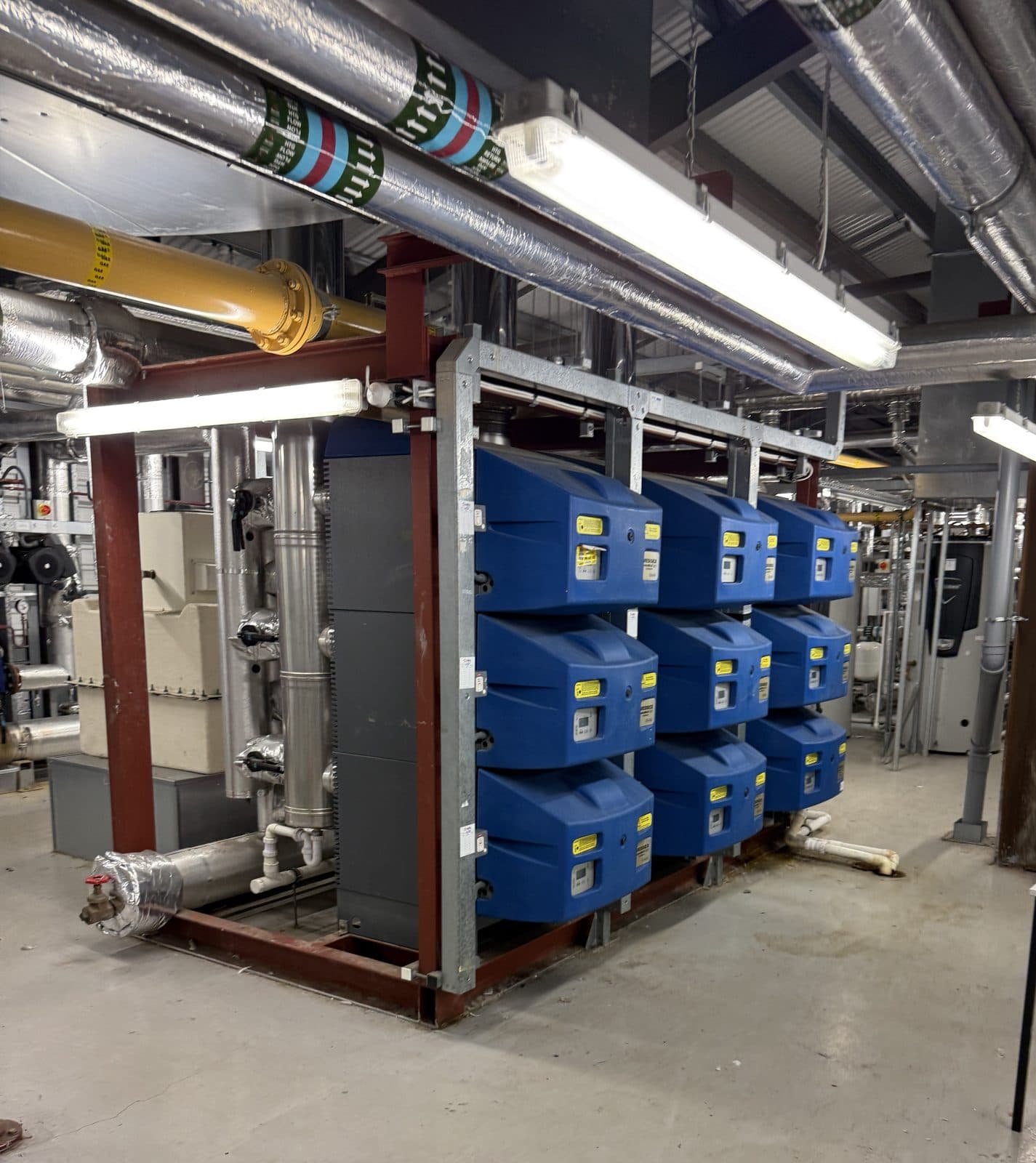
- Back-up plant. Two or more boilers, or a modular boiler, so one failure doesn't leave the building cold. The same applies to hot water.
- A contractor you can reach. Agree response times in writing, including evenings and weekends, before winter starts.
- Critical spares. For older plant, ask your engineer which parts are most likely to fail and whether they should be kept on site or nearby.
- A written contingency plan. Where the isolation valves are, who to call, how residents will be kept warm, and how hot water will be provided for personal care. If temporary heaters are part of the plan, they need to be safe for vulnerable residents too, without hot surfaces or trailing cables.
- Know your reporting duties. Check the Care Inspectorate's notification guidance so you know what to report if your service is disrupted.
Working in an occupied care home
Engineers working in a care home need to fit around the residents, not the other way round. A good contractor will:
- plan work for quieter times and avoid mealtimes and personal care rounds where possible
- tell staff before turning off heating or hot water, and keep the time it's off as short as possible
- follow your infection control, sign-in and confidentiality procedures
- keep tools, cables and materials out of corridors and away from residents
- tidy up properly and leave written records before they go
A quick checklist for care home managers
- Heating comfortable in every room, including the far ends of extensions?
- Bedroom heating controls that residents can use, where appropriate?
- TMVs on baths and showers, with recent temperature checks and service records?
- Radiators and pipes residents can reach covered, or at a safe surface temperature?
- Gas safety records for the boilers, water heaters, kitchen and laundry?
- Condensate pipes protected against freezing?
- Back-up plant and a written contingency plan?
- Breakdown response times agreed in writing for this winter?
- If you're on oil, tank level monitoring and a delivery plan for cold spells?
If you can't tick every box, it's worth sorting before the cold weather sets in properly.
Planning a new build or extension?
If you're planning a new care home or a major conversion, check the heating rules early. In Scotland, the New Build Heat Standard applies to building warrants applied for from 1 April 2024. It means new buildings can't use direct emissions heating such as gas or oil boilers, and it can apply to some conversions too. Talk to your architect and building standards officer about what applies to your project before the heating design is fixed.
How Titan Heat can help
We're a local, Gas Safe registered heating and plumbing business based in Blantyre, working across Glasgow, Lanarkshire and Central Scotland, and OFTEC registered for oil-fired plant.
For care homes, we can:
- service and safety check boilers, water heaters and other gas appliances, with written records
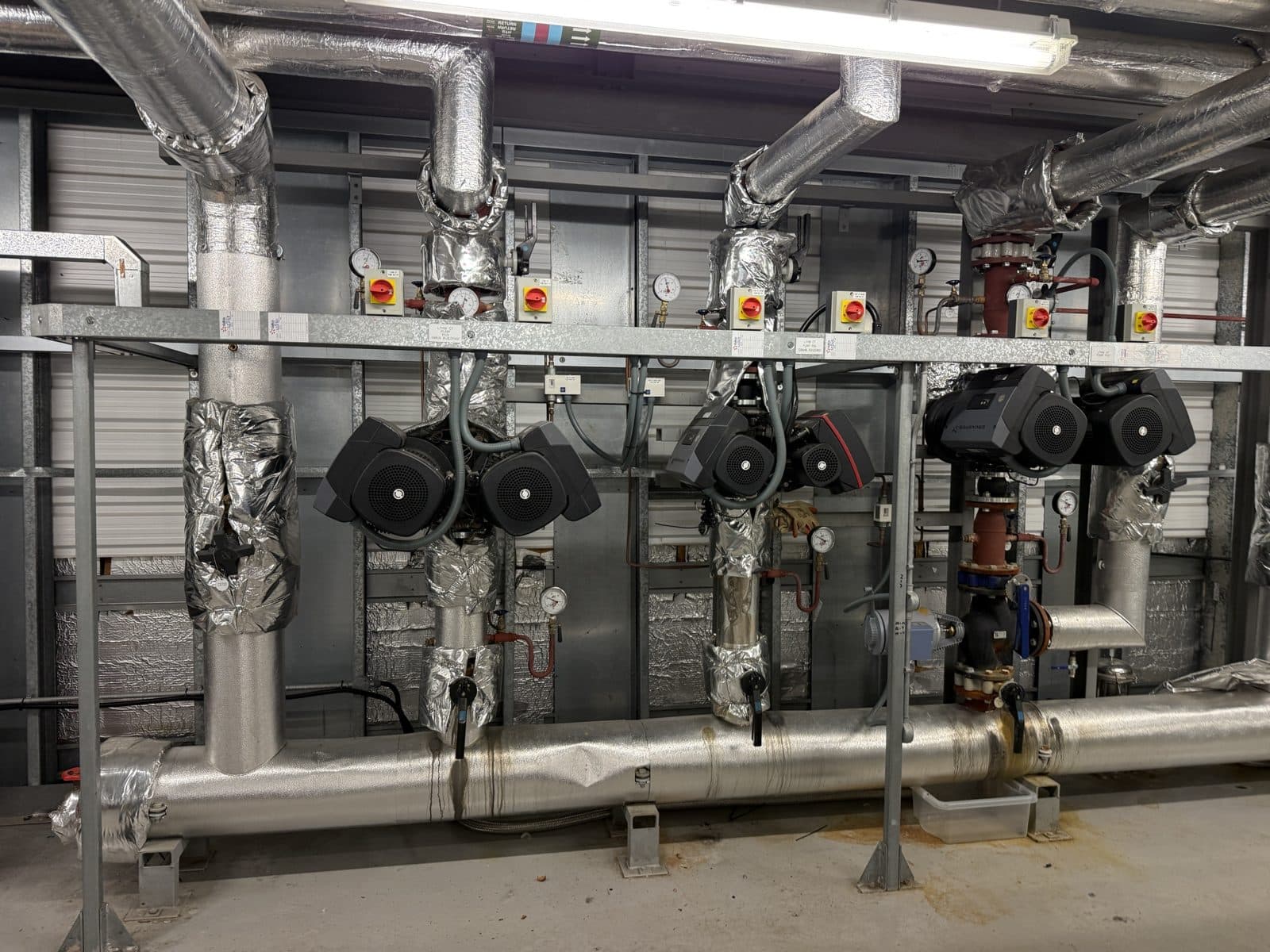
- carry out planned maintenance on your heating and hot water plant, including pumps, controls, radiators and TMVs
- find and fix faults on older and mixed systems, including plant other contractors have struggled with
- protect condensate pipes and winter-proof your plant before the cold weather
- work alongside your water safety contractor so legionella control and scald protection are both covered
Use our commercial enquiry form to tell us about your home, the size of the building and what plant you have. We'll arrange a visit at a time that suits your residents and give you a clear quote.
Frequently asked questions
What temperature should a care home be?
There's no single legal figure. The Health and Social Care Standards say heating should be adjustable to each resident's needs, and many residents need rooms warmer than the rest of us would choose. Your heating system should be able to keep every occupied room comfortably warm in the coldest weather, not just on an average day.
What temperature should hot water be at a care home bath or shower?
Where residents could be scalded, HSE says the water must not exceed 44°C. TMVs are the usual way of controlling this.
How often should TMVs be checked?
Outlet temperatures should be checked regularly and TMVs serviced and fail-safe tested in line with the manufacturer's instructions and your water safety risk assessment. Many homes check temperatures monthly and service TMVs at least once a year.
Do radiators in a care home need covers?
Where residents could touch them and be burned, HSE guidance is that surfaces should not exceed 43°C at full output. That means either low surface temperature radiators or suitable covers.
Our heating keeps failing in cold spells. Should we replace the boiler?
Not necessarily. Frozen condensate pipes, poor water quality, failing pumps and badly set controls are all common causes of winter failures, and they're often cheaper to fix than replacing plant. Get a proper diagnosis first.
Do you cover my area?
We work with commercial customers across Glasgow, Lanarkshire, Renfrewshire, the Dunbartonshires and Central Scotland, including oil-fired homes in rural areas.